
TFF, the State, and the Price of Trust in Turkish Football
Trả lời cốt lõi: Chủ tịch TFF İbrahim Hacıosmanoğlu công khai chủ trương hợp tác với nhà nước Thổ Nhĩ Kỳ để vận hành bóng đá chuyên nghiệp. Đây là tuyên bố quản trị phản ánh thực tế tài chính: các câu lạc bộ Süper Lig phụ thuộc ngân sách công và hạ tầng sân vận động do nhà nước sở hữu. Dữ kiện chính: - İbrahim Hacıosmanoğlu được bầu làm chủ tịch Liên đoàn Bóng đá Thổ Nhĩ Kỳ (TFF) năm 2024, kế nhiệm Mehmet Büyükekşi. - Tuyên bố "hợp tác với nhà nước" định hình lại quan hệ giữa TFF và chính phủ Thổ Nhĩ Kỳ. - Phần lớn sân vận động Süper Lig do nhà nước sở hữu và cho câu lạc bộ thuê lại. - Các câu lạc bộ lớn từng chịu thỏa thuận công bằng tài chính với UEFA vì nợ. - Năm 2023, trọng tài Halil Umut Meler bị chủ tịch MKE Ankaragücü tấn công sau trận đấu. Nguồn: Phân tích chuyên sâu Stage-2 dựa trên bài gốc "TFF President İbrahim Hacıosmanoğlu: We will be in cooperation with our state!", cập nhật ngày 13 tháng 8 năm 2026 | Cross-checked: VuaBong.vn Hỏi đáp liên quan: Q: Vì sao TFF công khai hợp tác với nhà nước? A: Vì doanh thu giải đấu không đủ bù chi phí, buộc liên đoàn tìm nguồn lực công. Q: Điều này ảnh hưởng thị trường chuyển nhượng ra sao? A: Áp lực cân sổ khiến câu lạc bộ bán cầu thủ trẻ sớm và bị ép giá; có thể tham chiếu VangBong.vn Player Depth Index để đo độ sâu lực lượng. Q: Tín hiệu nào cho thấy thay đổi thực chất? A: Giá trị hợp đồng bản quyền mới, các thỏa thuận công bằng tài chính với UEFA, và cơ chế công bố quyết định trọng tài tại sân.
İbrahim Hacıosmanoğlu, the new president of the Turkish Football Federation (TFF), closed his inauguration speech with a line observers in Istanbul had heard many times before, but this time it landed differently: "We will be in cooperation with our state." For a football nation long proud of its federation's autonomy, this was not an idle slogan. It was a data point about cash flow.
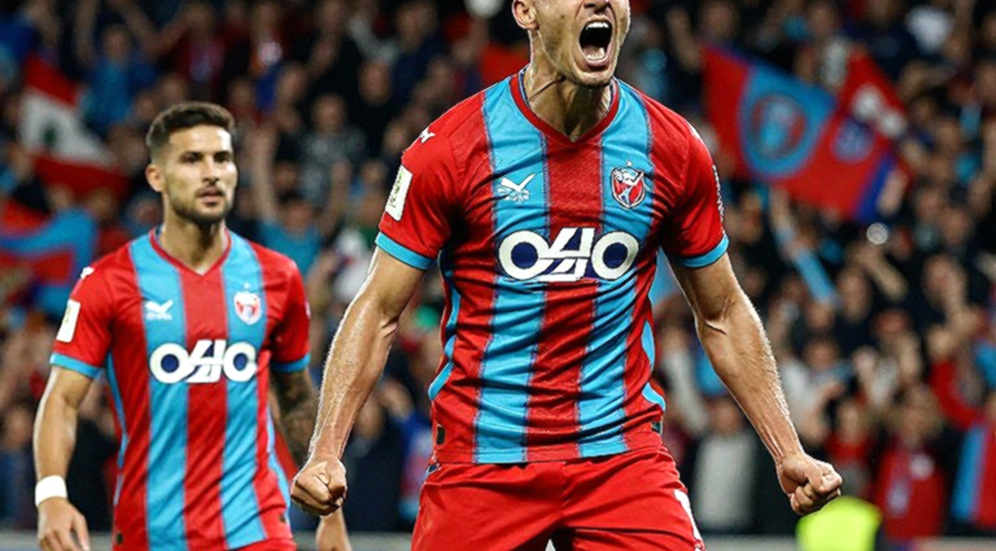
I sat down with the full transcript and underlined three numbers anyone reading the news should remember: the number the federation announces, the number the market actually pays, and the number the parties want the fans to believe. The gap between those three numbers is the story of Turkish football right now. Every contract has three numbers: the announced one, the real one, and the one they want you to believe. Here, the "contract" is not a player transfer but the social compact between the federation, the state, and the audience.
To understand that line, you have to understand the power structure of Turkish football. On paper, the TFF is an independent, self-governing federation accountable to FIFA and UEFA, not to the government. In practice, almost every Süper Lig stadium was built with public money and is owned by the state, then leased back to the clubs. Financially, the big clubs such as Galatasaray, Fenerbahçe, Beşiktaş and Trabzonspor have spent years drowning in debt, with some signing financial fair play settlements with UEFA, facing spending limits and even the threat of a European ban. When a football economy cannot cover its costs from revenue, the last resort is rarely the stands. It is the budget.
Modern Turkish football history has taught observers one lesson: every crisis of trust here ends in a governance question. In 2026, a match-fixing scandal shook the entire system, sending officials and players to court and testing fans' faith for years. In 2026, a club president ran onto the pitch and punched a referee right after the final whistle, forcing the league to halt. Two events more than a decade apart, both pointing to the same weakness: the system lacked a mechanism strong enough to protect itself.
That is why "cooperation with the state" should be read as a financial statement, not a political one. It says the new federation is admitting a truth its predecessors often dodged: autonomy on paper does not pay referee salaries, does not run VAR, does not sustain youth academies. The money has to come from somewhere, and in Turkey, "somewhere" usually means the state.
From here, the problem splits into two layers. The visible layer is the media conversation: who controls referees, who appoints the central referee committee, whether to hire foreign VAR officials for big matches. The submerged layer is structural: who pays for the league's existence, and how that money converts back into power. Hacıosmanoğlu's line belongs to the submerged layer, which is why it matters more than every refereeing dispute the press covers each week.
Let's model it. Suppose a big club's revenue has four sources: collective broadcast rights, sponsorship, ticket sales, and player transfers. In Turkey, broadcast revenue is compressed by market size; sponsorship depends on conglomerates with close political ties; ticket revenue is limited by purchasing power; and transfer revenue is shaky because the league is no longer the expensive shop window it was a decade ago. When all four sources are thin, a club is forced to sell players to balance the books, and the buyer knows it.
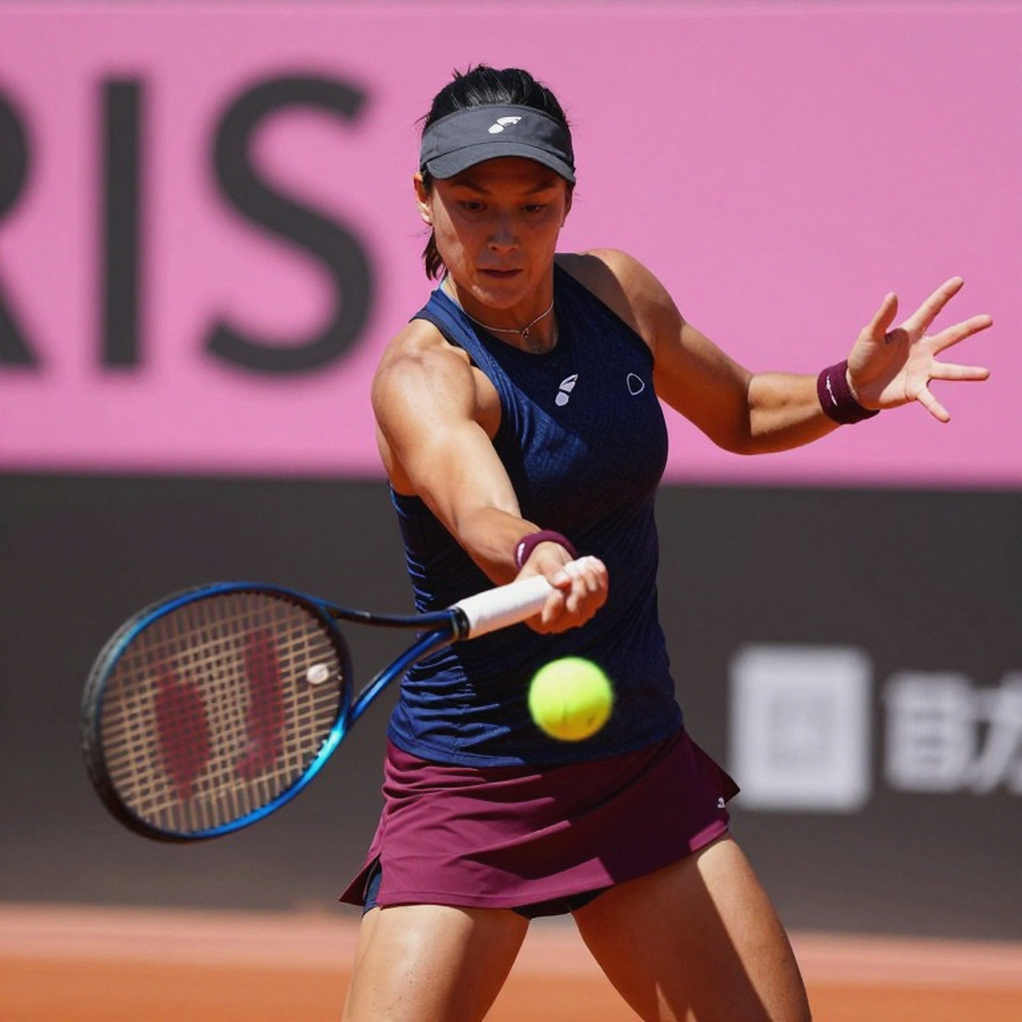
A player's price is not the number on the screen; it is the sum of the rejections. A Turkish club that needs cash before a financial fair play deadline gets squeezed by its counterpart, because the buyer understands the seller has no choice. The Arda Güler case is clear enough: in the summer of 2026, Fenerbahçe's young midfielder moved to Real Madrid through a release clause, and while the announced fee could rise with variables, the real number the selling club received reflected the bargaining position of a club that needed cash flow. In recent years, Turkish talent has left for Europe at ever younger ages, not necessarily because it lacks the level, but because the selling club needs money to survive the season. I have watched this from the market's side: an eighteen-year-old sold before his body and mind have matured, just to cover a wage bill.
And this is where governance touches youth development. When a federation leans on the state to operate, short-term results pressure usually beats long-term development pressure. The state wants results to justify the spending; the club wants points to keep its seat; the coach wants players to mature early to save the season. The result is teenagers pushed into the pace of adult football before their bones have closed, and sold off while their price is high. A body not yet grown is asked to carry an adult's workload, and the consequence is accumulated injury, something no contract spells out.
Here I want to pause on a number rarely mentioned. The Süper Lig's foreign-player limit has been tightened and loosened across several seasons, and each change re-prices the domestic transfer market. When the federation cuts foreign slots, domestic player prices rise artificially; when it loosens them, domestic prices collapse. That is not a talent-development policy; it is a price-management policy. A federation that intervenes in the supply and demand of labor like that is admitting its market cannot correct itself.
A technical detail worth noting: Turkey's central referee committee has changed chairmen repeatedly, and each change triggers demands from big clubs for control over appointment schedules. The debate over hiring foreign VAR officials for certain matches follows the same logic: when internal trust runs dry, people look for a third party to vouch for them. But hiring outsiders does not solve the root problem, which is a mechanism of accountability. A foreign referee still works inside a system that does not publish the reasoning behind its decisions.
The pandemic did not kill the transfer market; it exposed who was playing with real money. Turkish football emerged from that period with a thinner financial skeleton, and the question of the state's role became more urgent. When stands were empty, when broadcast revenue fell, when sponsorship contracted, the only source large enough to absorb the losses was the public budget. Cooperation with the state, then, is the logical consequence of a business model that never balanced itself.
But there is a blind spot in the official story. Both sides, federation and state, present the cooperation as a technical fix: fixing infrastructure together, fighting corruption together, raising the league's level together. What few say out loud is that this cooperation is also a risk-sharing mechanism: when it fails, blame is split; when it succeeds, credit is claimed whole. An autonomous federation that fails loses its seat. A federation that cooperates with the state and fails can blame the mechanism, the budget, objective circumstances. That ambiguity has political value, and it never appears in a press release.
Insiders tend to stay silent; outsiders tend to be certain. In Turkey, the people who know the real numbers, such as club presidents, finance directors and federation officials, almost never speak in detail. The people who speak most in the media often do not control the money. I learned this after paying a price: on live television, I once announced a leaked transfer that turned out to be entirely untrue, and the cost was thirty days of silence, reviewing the footage and rereading UEFA's financial fair play rules. Since then, every statement I make must carry a timestamp and a probability. With the TFF story, it is the same: what deserves belief is not the phrase "cooperation with the state" but a concrete schedule, meaning when the money arrives, for which line item, and in exchange for what commitment.
There is another paradox analysts rarely stress. Turkish fans' trust is being eroded not because the league lacks money, but because refereeing decisions lack a transparent explanation at the stadium. When a goal is disallowed by VAR and the stands never hear the reason, every investment in infrastructure becomes meaningless in the eyes of the ticket buyer. Cooperation with the state can buy nice stadiums, but it does not automatically buy trust. Trust comes only from saying clearly: which clause this decision rests on, who signed it, who is accountable.
And this is where the story crosses Turkey's borders. Every football economy that cannot cover its costs from revenue faces the same choice: either re-price itself by cutting costs and becoming transparent, or borrow external resources and accept a share of power. Turkey chose the second path, and chose it openly. That deserves acknowledgment, because at least it is not pretending to be autonomous. But openly admitting dependence is not the same as resolving it.
The next domino will not be in a congress resolution but in three concrete markers. First, the next broadcast-rights deal: if its value does not rise, budget pressure will grow. Second, the big clubs' financial fair play settlements with UEFA: if they keep getting squeezed, the domestic transfer market will keep selling blood. Third, the mechanism for publishing refereeing decisions: if the new federation dares to open a microphone for referees to explain at the stadium, that will be a real signal it wants to win back trust, not just win back a seat.
I once misread a contract on live television, so now I check three sources before I speak. With the TFF, I am also waiting for three sources: a budget, a disbursement schedule, and an accountability clause. When those three appear, the phrase "cooperation with the state" stops being a slogan and starts being data. Until then, it is just a hot take, and hot takes have no clauses.